

As your agency grows, client expectations don’t stay the same. Earlier, it might have been enough to run ads or manage campaigns. Now, clients expect you to handle everything, from building their website to improving performance and supporting it long-term.
At some point, you start getting requests that go beyond your internal capabilities. Building an in-house development team sounds like the obvious next step, but in reality, it’s expensive, time-consuming, and not always consistent in workload.
That’s where white label web development starts making sense. With the right partner, you can take on more projects, deliver solid work, and grow your revenue, without stretching your team or operations.
But the gap between a good partner and a bad one is huge. The right one makes your agency look stronger. The wrong one creates delays, stress, and unhappy clients you have to answer to.
So the real question isn’t whether you should work with a white label partner, it’s how to choose one that actually supports your growth. Let’s break that down.
Look Beyond Portfolio, Focus on Real Results
Almost every white label partner will show you a clean, impressive portfolio. But a good-looking website doesn’t tell you the full story.
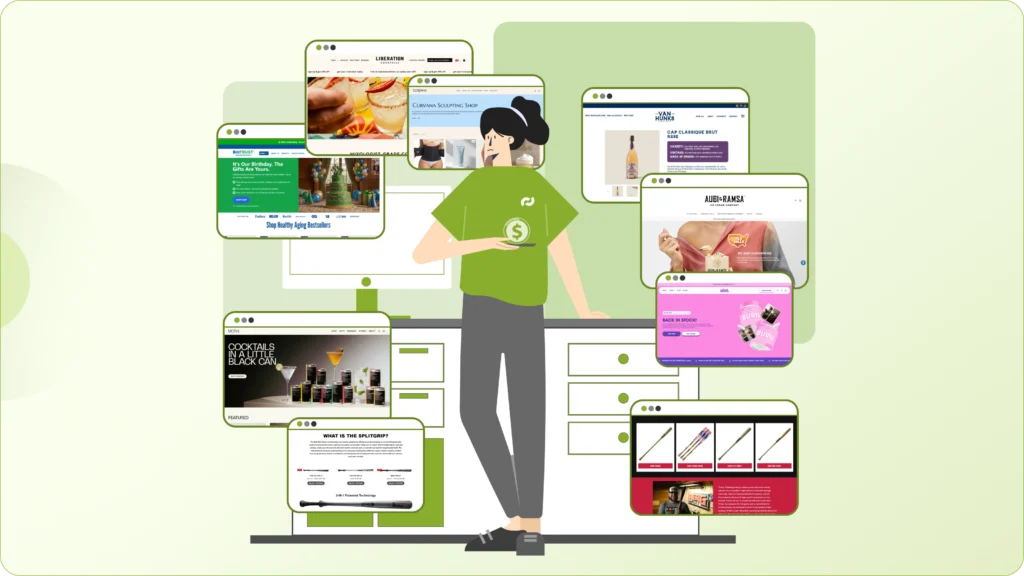
What really matters is what happened after those websites went live.
Did they actually help the business grow?
Did they convert visitors into customers?
Did they load fast and perform well under traffic?
Because at the end of the day, your clients don’t care about design awards; they care about results.
So instead of just reviewing visuals, start asking better questions. Try to understand the impact behind the work. Was the site built with conversions in mind? Was performance taken seriously?
Is it something that can scale as the business grows, or will it need rebuilding in a year?
This is where you start seeing the difference between a design-focused partner and a performance-focused one.
And that difference matters more than you think, because when you outsource development, you’re not just handing over a task. You’re trusting someone else with your agency’s reputation.
That’s exactly why, in our white label work, we don’t just focus on how the site looks; we focus on how it performs for your clients once it’s live.
Prioritize Communication and Reliability
Most white label partnerships don’t fail because of poor development; they fail because of poor communication.

When you’re working with a partner, you’re the bridge between them and your client. So if something gets delayed, misunderstood, or missed, it’s your agency that has to answer for it.
That’s why communication isn’t just a “nice to have”; it directly affects how professional and reliable your agency looks. You want a partner who responds on time, understands what you’re trying to achieve without needing repeated explanations, and flags potential issues before they become problems.
Because in real projects, things don’t always go exactly as planned. Timelines shift, requirements evolve, and small details can get missed. A good partner doesn’t wait for instructions at every step; they think ahead and keep you informed.
Over time, this is what makes the partnership feel easy. You’re not chasing updates or double-checking everything. You know things are being handled.
That’s also how we approach white label work, not just as developers taking instructions, but as a team that supports you behind the scenes, so you can confidently manage your clients without friction. You can experience it here.
Ensure They Understand Marketing, Not Just Development
A typical developer will build exactly what you ask for, but a strong white label partner will understand why you’re asking for it in the first place.

And that difference shows up in the final result. Because your projects aren’t just about putting sections together, they’re meant to drive actions. Whether it’s generating leads, increasing sales, or improving user experience, every element on the page should have a purpose.
If your partner only focuses on “adding features” or “matching designs,” you’ll end up handling all the thinking, how the page should flow, what should be prioritized, what actually helps conversions.
That quickly becomes a bottleneck. Instead, you want someone who already thinks in terms of user behaviour. Someone who understands how landing pages are structured, why speed matters for conversions, how mobile users interact differently, and how small layout decisions can impact results.
This doesn’t mean they replace your strategy; it means they support it. And when your development partner understands marketing, your job becomes a lot easier. You’re not over-explaining every detail; you’re collaborating with someone who already gets it.
That’s the level of thinking you should expect if you want consistent results for your clients.
Check Their Approach to Performance and Scalability
A lot of development work looks fine at launch and then starts causing problems a few months later.
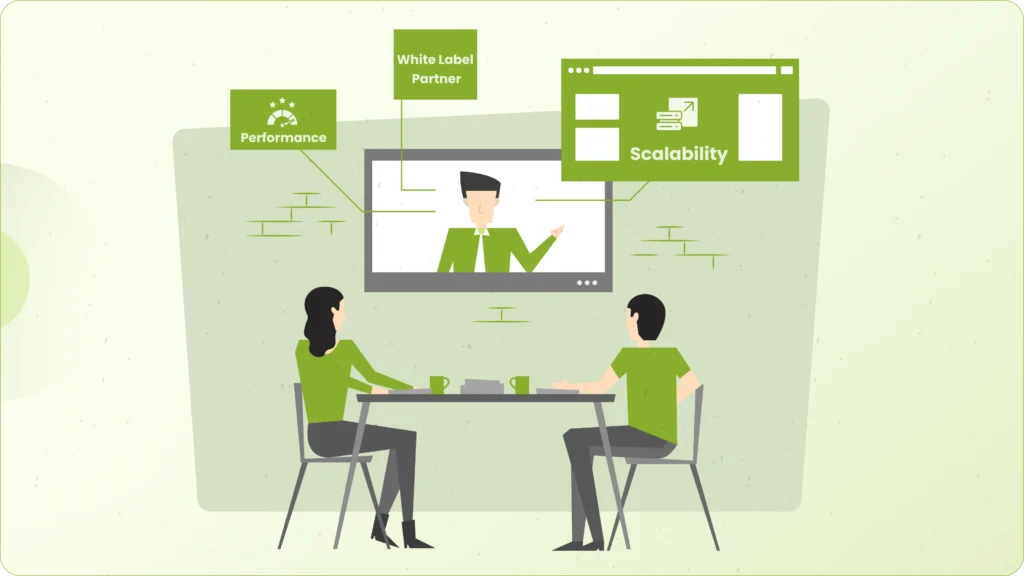
This is where poor development decisions show up. Slow loading pages, too many apps or plugins, messy code… all of it starts affecting SEO, user experience, and ultimately conversions. And fixing it later is always more expensive than doing it right from the start.
That’s why it’s important to understand how your white label partner approaches performance.
Do they actually optimize for speed, or just rely on themes and apps?
Do they write clean code that’s easy to maintain, or does every small change require rework?
Are they thinking about how the site will scale as traffic and features grow?
Because your clients aren’t just paying for a website, they’re investing in something that should work reliably over time. You want a partner who builds with that mindset. Not just to launch quickly, but to avoid problems later.
In our case, we focus a lot on keeping builds lean with minimal dependency on unnecessary apps, clean structure, and performance-first development. So your clients don’t run into avoidable issues as they grow.
Evaluate Their Flexibility (Apps vs Custom Development)
One of the most overlooked things in white label partnerships is how decisions are made behind the scenes.

Some developers rely too much on apps because it’s faster. Others try to build everything from scratch, even when it’s not necessary. Both approaches can create problems.
Too many apps can slow the site down, increase costs, and create conflicts. On the other hand, unnecessary custom development can make the project expensive and harder to maintain.
What you really want is balance. A good partner knows when to use existing tools to save time and cost, and when a custom solution is the better long-term choice. They think beyond just “getting it done” and consider how it will impact performance, flexibility, and future updates.
Because these small decisions add up over time. If the foundation isn’t thought through properly, you or your client will eventually feel it, either in performance issues, limitations, or ongoing costs.
That’s why flexibility matters. It’s not just about what they can build, but how they decide what should be built.
Understand Their White Label Process
This part is often ignored, but it’s where a lot of problems start.
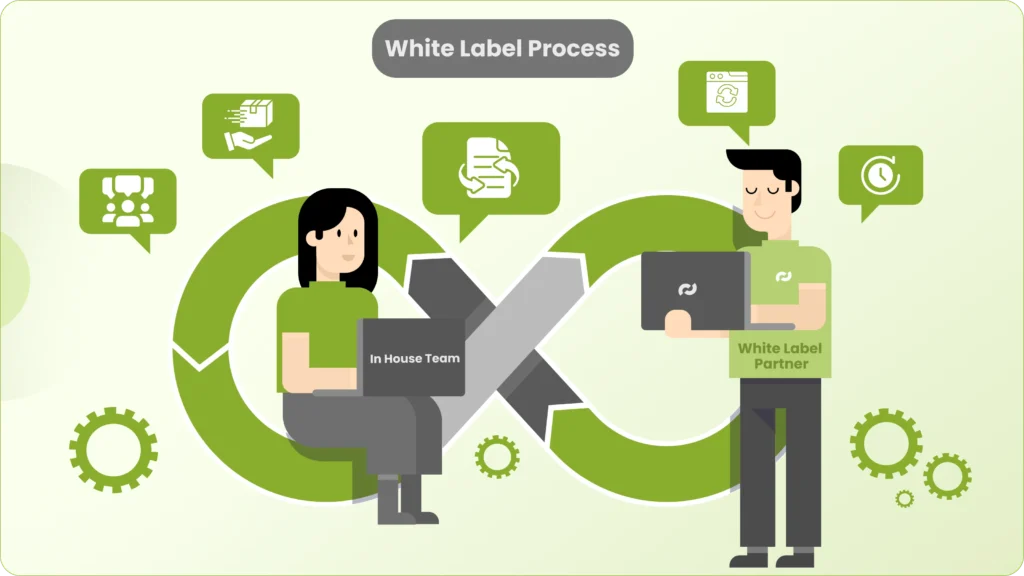
A white label partner isn’t just someone who builds websites. They’re working behind the scenes as part of your agency. So how they operate matters just as much as what they deliver.
Ideally, your client should never feel the gap. Everything should feel smooth, communication, delivery, revisions, updates. Whether the work is done by your in-house team or your white label partner, the experience should stay consistent. That’s why you need clarity on how they work.
Will they stay in the background, or expect direct interaction with your clients?
How do they handle feedback and revisions?
What happens when timelines get tight?
Do they support you after the project goes live, or disappear once it’s delivered?
These aren’t small details; they directly affect how confidently you can manage your projects.
A strong partner fits into your workflow without friction. You’re not adjusting your process for them; they align with how your agency operates.
That’s exactly how a white label setup should feel: not like outsourcing, but like having a reliable team working quietly in the background, helping you deliver without complications.
Start Small Before You Scale
It’s always tempting to jump straight into a long-term partnership, especially when you’re trying to move fast.
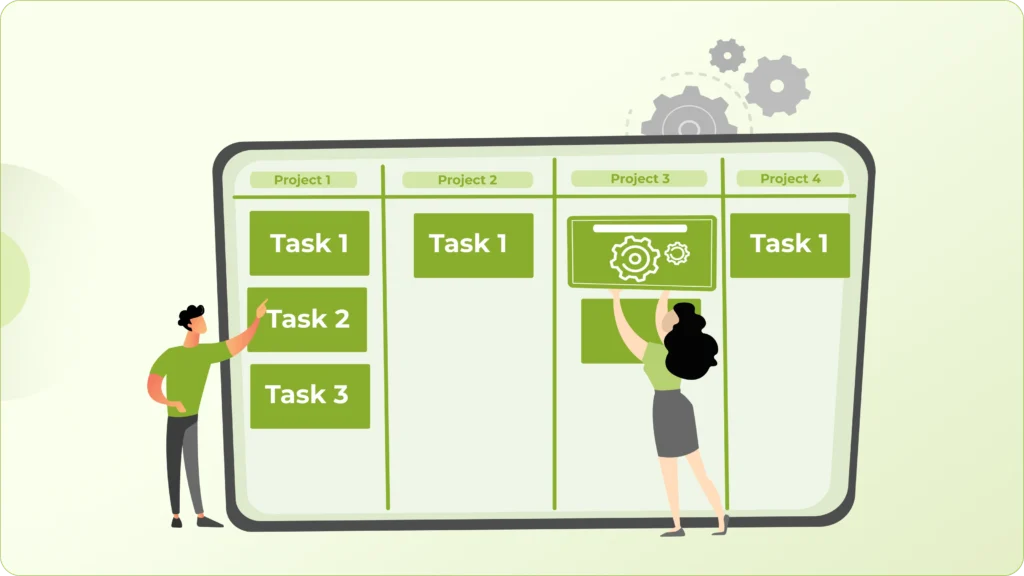
But with white label work, that can backfire. Before you rely on any partner for important client projects, test how they actually work. Not based on what they promise, but based on real execution.
Start with a smaller project. Something manageable, but enough to see how they handle communication, timelines, feedback, and unexpected challenges. Because that’s where the real picture shows up, not in sales calls or portfolios.
Pay attention to the details.
Do they deliver what was discussed?
Do they ask the right questions?
Do they take ownership when something needs fixing?
This early phase tells you everything you need to know. It’s much better to spot issues here than when you’re dealing with a high-stakes client project and tight deadlines.
A good white label partner will actually be comfortable with this approach because they know trust is built over time, not assumed upfront.
Consider Cost, But Don’t Optimize Only for It
Cost always plays a role, especially when you’re trying to keep your margins healthy.

But choosing a white label partner based only on price usually creates bigger problems later.
Lower-cost work often looks fine in the beginning, but issues start showing up during execution. Timelines slip, quality drops, and small mistakes turn into rework. And when that happens, you’re the one managing client expectations and fixing the damage.
What seemed cheaper upfront ends up costing more with time, stress, and sometimes even lost clients.
That’s why it’s better to shift how you look at pricing. Instead of focusing on who’s the cheapest, think about who helps you deliver consistently good results. Who makes your process smoother. Who reduces the chances of things going wrong.
Because real profitability doesn’t come from saving a little on each project, it comes from delivering work that keeps clients happy, builds trust, and brings repeat business.
That’s the kind of partner worth investing in.
Final Thought
The right white label partner isn’t just someone who helps you get projects done. They change how your agency operates.
When you have a reliable team behind you, you’re not constantly checking timelines, fixing issues, or worrying about delivery. That mental load disappears.
You get more space to focus on what actually grows your agency, strategy, client relationships, and bringing in better projects.
Over time, this shifts the kind of work you take on. You’re more confident saying yes to bigger opportunities because you know you can deliver without chaos behind the scenes.
And that’s the real outcome of choosing the right partner. Not just smoother projects, but better results for your clients, and a more scalable, stable agency for you.
Thinking About Scaling Your Agency with White Label Support?
If you’re planning to offer web development without building an in-house team, the partner you choose will directly impact how smoothly you scale.
The right partner doesn’t just help you deliver; they make your entire process easier, more reliable, and more profitable.